


About
SPIRITUS is an international Catholic movement dedicated to the Spirit-led renewal of Catholic education. Entrusted with a unique charism for evangelisation, Spiritus forms educators, leaders, and young people to become missionary disciples, transforming Catholic schools into vibrant centers of faith and witness.
The Spiritus Charism
A charism is a gift of the Holy Spirit given to the Church to meet a particular need. The Spiritus charism is the gift of renewing Catholic education so that Catholic schools become vibrant communities of faith, witness and mission. It is Spirit-led and centred on Jesus Christ, forming educators, leaders and young people to become missionary disciples who live and share the Gospel.
Spiritus puts this charism into practice through two complementary formation streams. Spiritus Leader Formation equips educators and school leaders to strengthen the Catholic identity and mission of their schools. Spiritus Youth Ministry forms educators, Youth Ministers and young people for peer-to-peer evangelisation, retreats, faith formation and ministry. The two streams are managed separately, but they express the same charism and are most effective when brought together within a school-wide or system-wide approach.
Our Mission
Spiritus advances two high-impact strategies to strengthen Catholic identity and renew school culture:
Spiritus Leader Formation: Equipping educators and school leaders through theological formation and spiritual renewal to lead their communities with missionary depth.
Spiritus Youth Ministry: Empowering young people through peer-to-peer ministry, curriculum pathways, and retreats to share the joy of the Gospel with their peers.
-
While these two streams operate with distinct professional and academic governance, they are united by a single vision and mission. Together, they provide a coordinated, "whole-school" approach to evangelisation that aligns leader and teacher formation with student faith formation.
-
Spiritus operates in faithful communion with the Catholic Church. It is currently seeking recognition as a Public Association of the Christian Faithful, ensuring its work remains grounded in Church teaching and under the stewardship of competent ecclesial authority.
-
Beyond programs, Spiritus is a global community. Our Spiritus Mission Network connects accredited educators and youth ministers across countries and cultures, fostering a relational space for shared learning, prayer, and mutual support in the Church’s mission

"The Holy Spirit is the principal agent of evangelisation... Spiritus affirms that the renewal of Catholic education is a work of grace under the Spirit’s guidance.”
How Renewal Takes Root and Grows
Form People
Formation is integrated within the plans for developing the curriculum culture and daily life of schools and Catholic education systems.
Embed the Mission
Educators, leaders, staff, Youth Ministers and students are formed for mission .
Build Local Capacity
Partnerships, accredited leaders, mission networks and ongoing formation sustain and extend the mission over time.
International in Reach. Local in Expression.
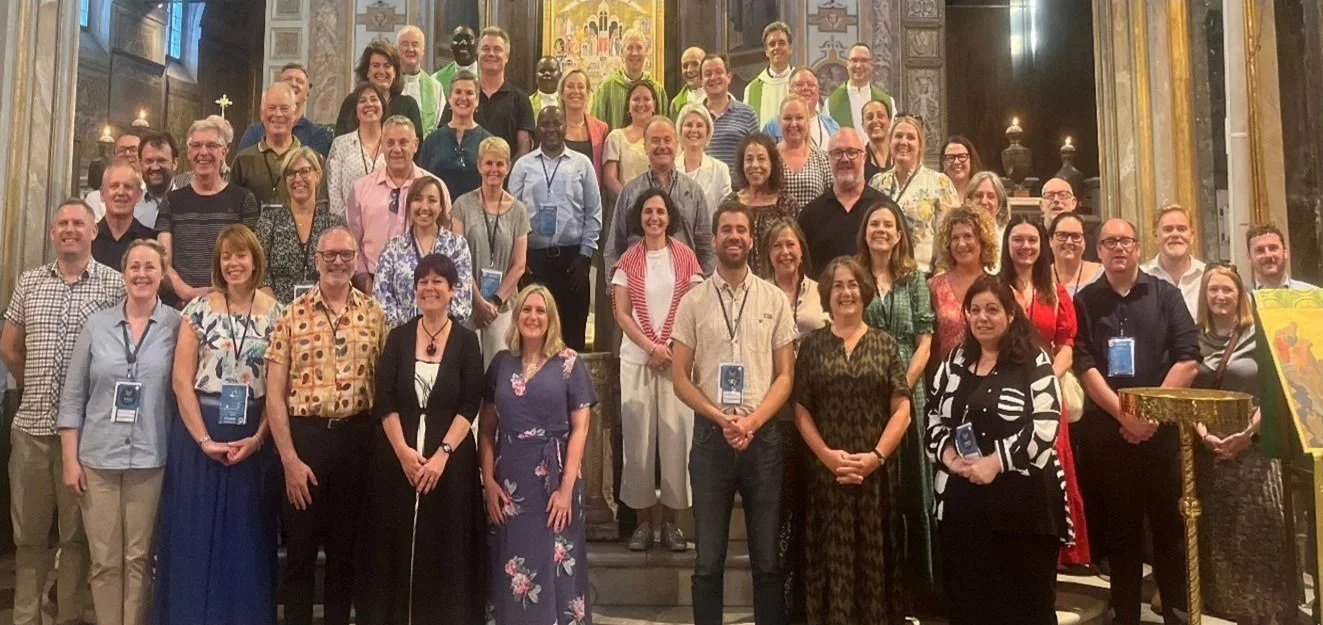
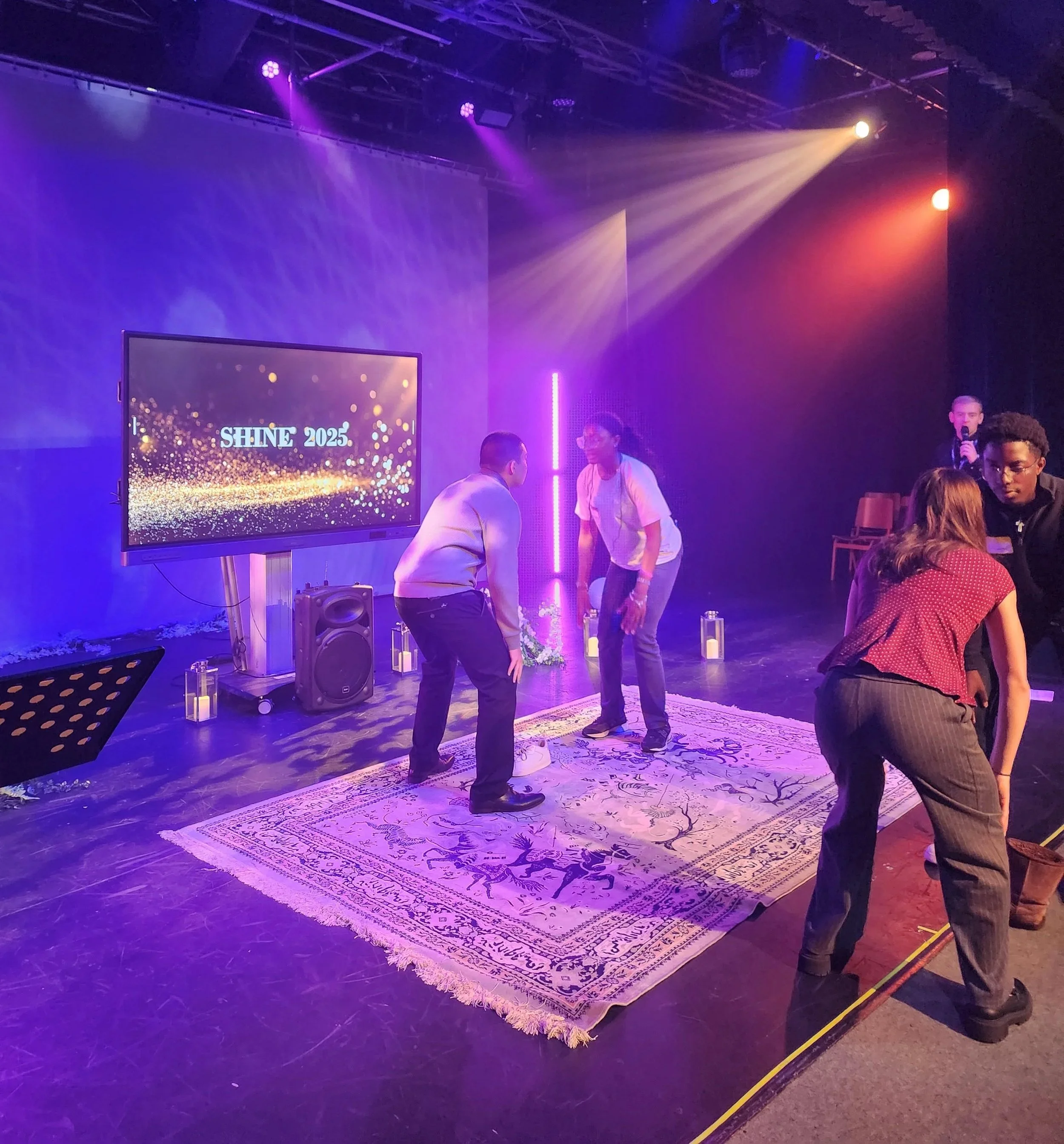
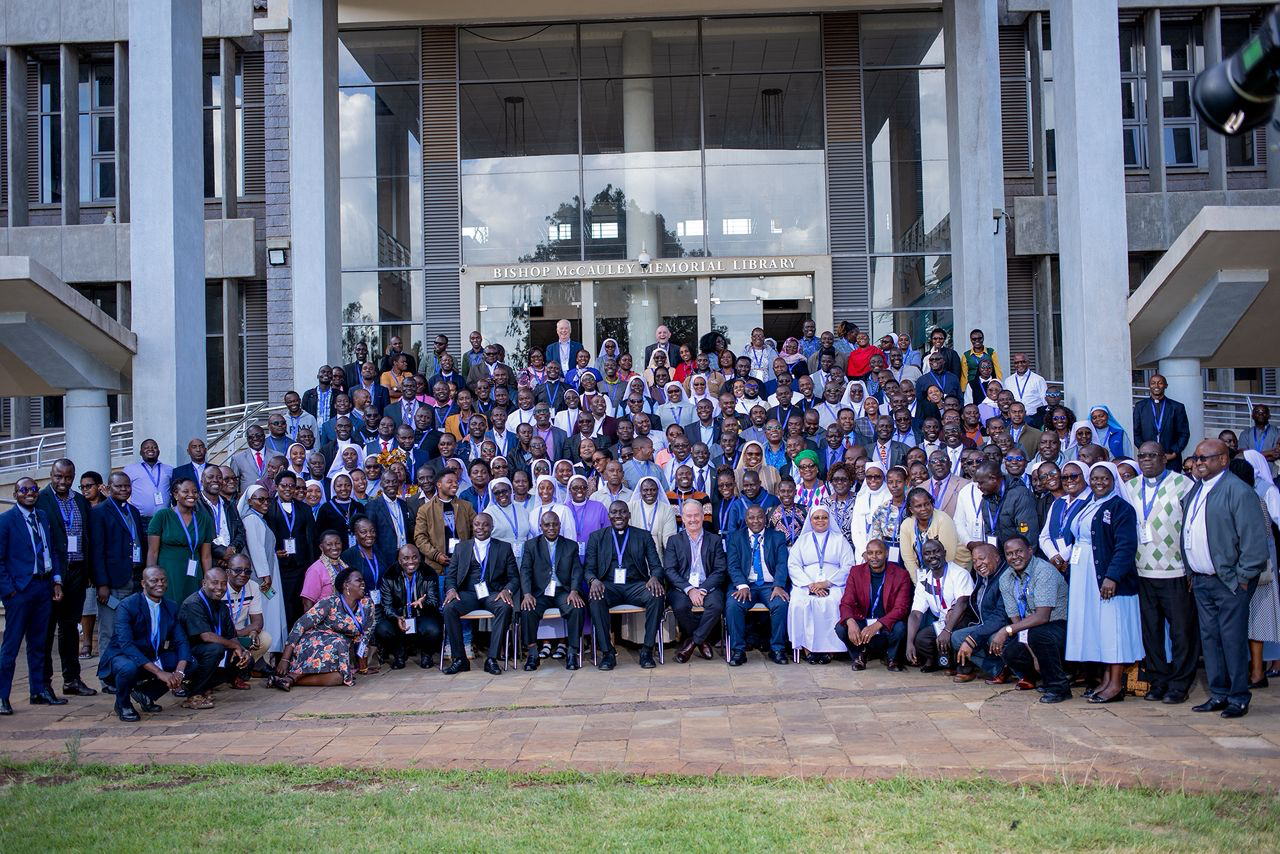
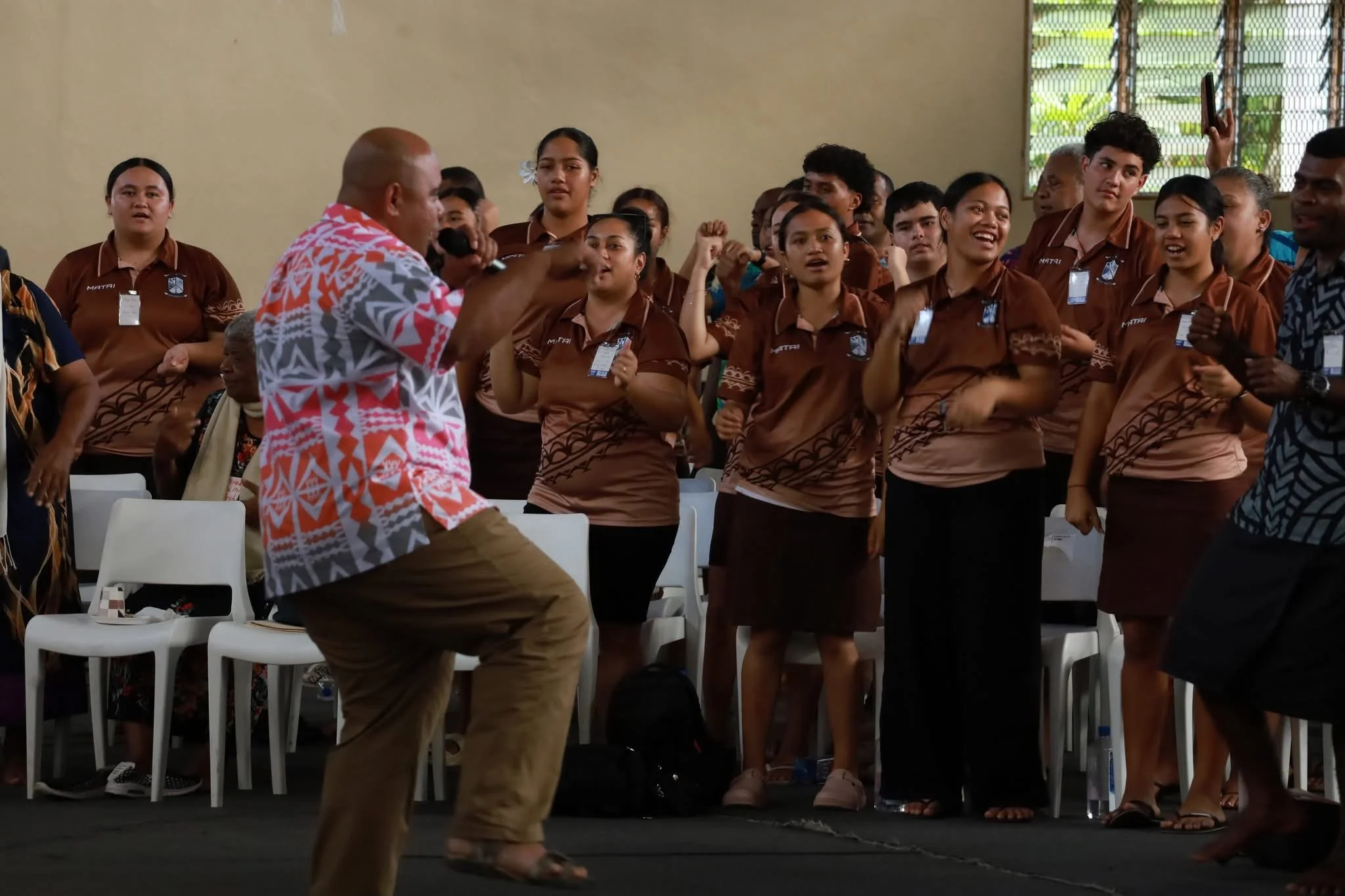
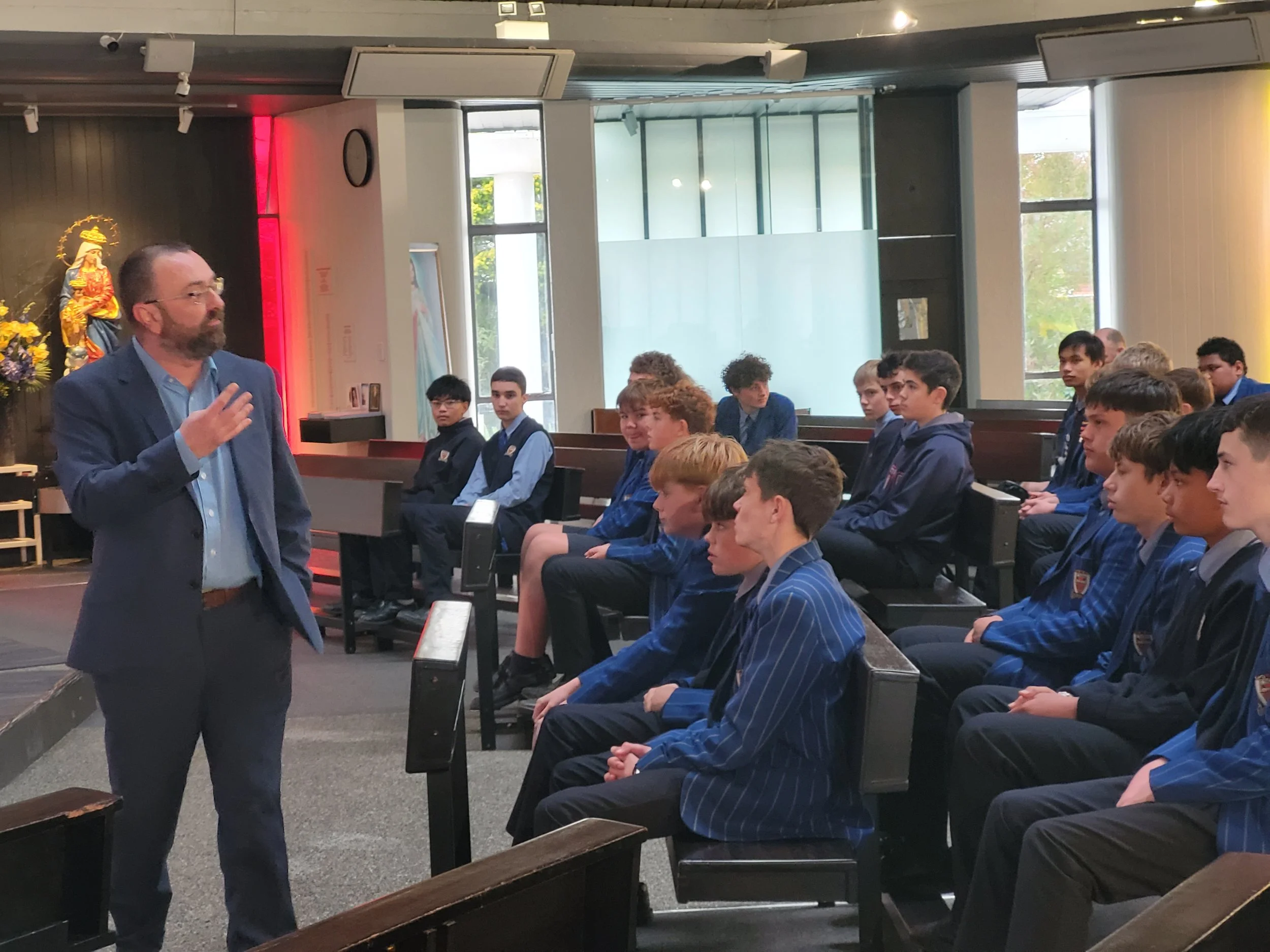
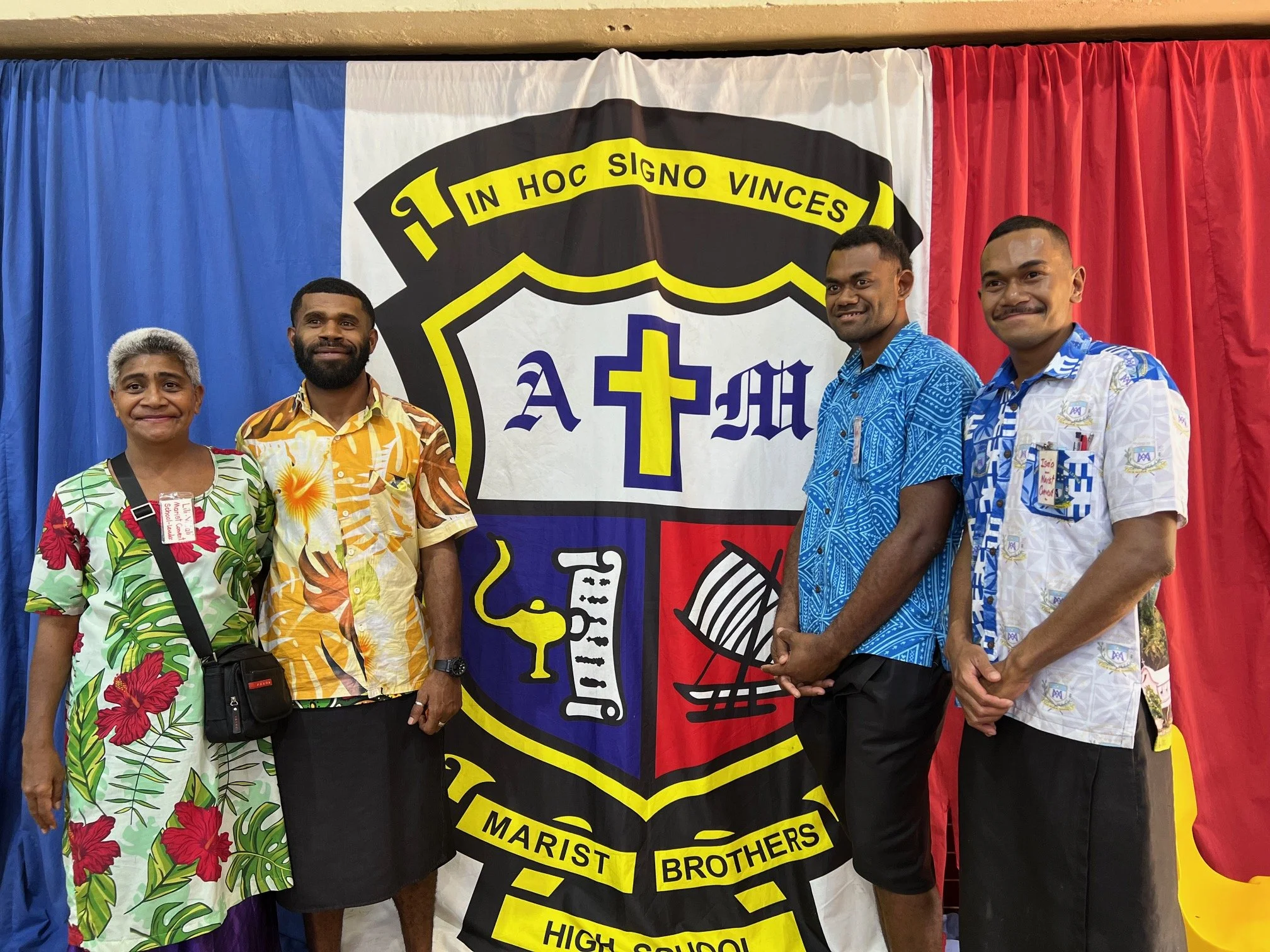
The Spiritus charism is finding expression within diocesan and other Catholic education systems, universities and schools around the world. It finds local expressions in response to particular cultural and ecclesial contexts while remaining faithful to the shared charism. We are providing leader, teacher and student formation programs and resources in: East Africa (Uganda, Tanzania, Kenya), Oceania (Australia, New Zealand, Cook Islands, Fiji) and the United Kingdom (England and Scotland)

Development
The Spiritus charism originated from two independent yet complementary initiatives within Catholic education, both emerging from a shared grace of evangelisation to renew schools as centres of faith, witness and mission.
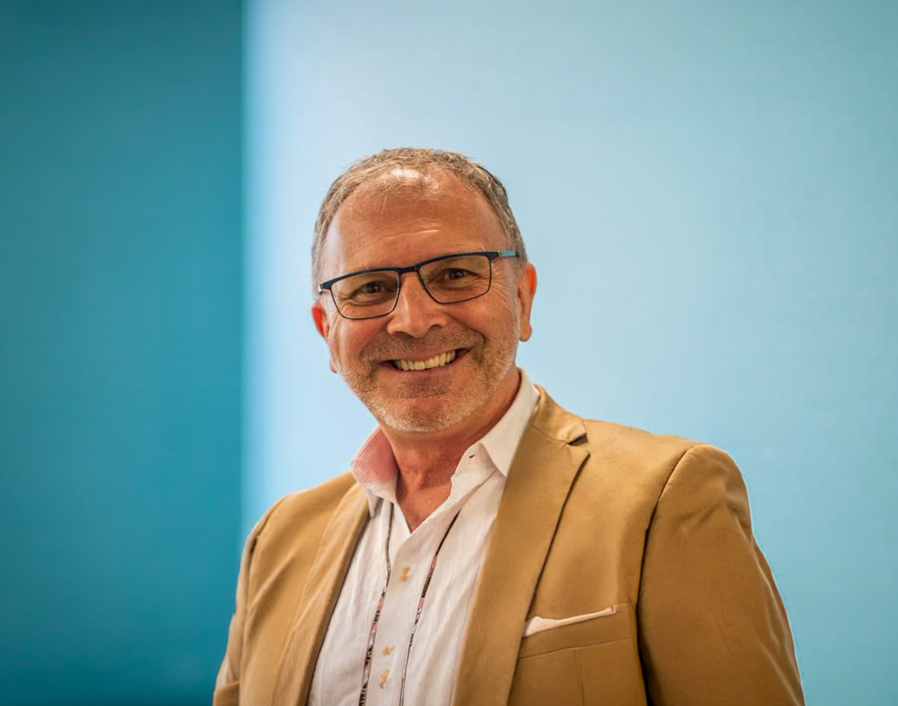
Spiritus Leader Formation was developed in 2016 by Peter Woods and Prof. Br David Hall at the Australian Catholic University (ACU) La Salle Academy. In collaboration with Church leaders like Archbishop Christopher Prowse, these programs were designed to provide educators with theological depth and spiritual renewal, equipping them to animate their school communities for mission. Since its Australian inception, it has expanded to include cohorts across Europe, Oceania, and East Africa.
Parallel to this, Spiritus Youth Ministry (formerly CSYMI) was founded in 2007 by Peter Woods. It pioneered a peer-to-peer evangelisation model, featuring a ‘Four-Phase Curriculum’ to form student communities of leadership and witness. This model is gaining global recognition, spreading from Australia to Uganda, the United Kingdom and New Zealand.
In 2026, the two streams formally converged integrating youth initiatives with adult leadership formation. Today, they operate as a unified international apostolic work, stewarded by the Spiritus International Council.
The story of the development of Spiritus is told in Waves of Grace: Evangelisation in Catholic Schools (2024) The book explores how the Catholic Church can connect powerfully with young people through the evangelising mission of the Catholic school. Click here to purchase paper back or ebook.

Peter Woods
Br David Hall
Governance & Leadership
1. The Dual Accountability Framework
To ensure both mission integrity and operational compliance, Spiritus employs a Dual Accountability Framework:
Formation Accountability: The ACU La Salle Academy (for Leader Formation) and the Spiritus Youth Ministry International Board (for Youth Ministry) oversee theological standards, program fidelity, and accreditation.
Operational Accountability: Local Host Organisations or civil entities manage staffing, legal compliance, financial administration, and safeguarding requirements within their specific jurisdictions.
2. International Canonical Stewardship
Spiritus operates under a structured governance framework designed to safeguard its unique charism while ensuring professional excellence and ecclesial accountability across its international apostolic work. The model distinguishes between the spiritual stewardship of the movement and the practical administration of its formation programs.

The Spiritus International Council serves as the non-executive canonical authority for the movement. Its primary role is to:
Safeguard the unity and doctrinal integrity of the Spiritus charism across different cultures.
Confirm key leadership appointments, such as the Moderator and Regional Coordinators.
Provide a space for synodal discernment regarding the movement's international expansion.
The Moderator acts as the chair of this Council, serving as a point of communion between Spiritus leadership and the wider Church.
3. Local and Regional Leadership
SPIRITUS is implemented on the ground through a phased development model that empowers local authorities:
National and Regional Leadership Teams: These teams coordinate delivery across formation streams, ensuring programs are responsive to local cultural and ecclesial realities.
Coordinators: Accredited leaders are appointed to oversee the implementation and fidelity of Spiritus programs within a defined country or diocese.
Mission Network: A global community of accredited educators and ministers that fosters relational communion and shared mission without exercising juridical authority
4. Authorisation: Licensing and Accreditation
Integrity is maintained through two primary authorisation mechanisms:
Accreditation (Individual): Granted to educators and ministers who have demonstrated the competency to deliver Spiritus programs.
Licensing (Institutional): Granted to dioceses, systems, or universities, allowing them to host Spiritus programs while adhering to established formation standards.